
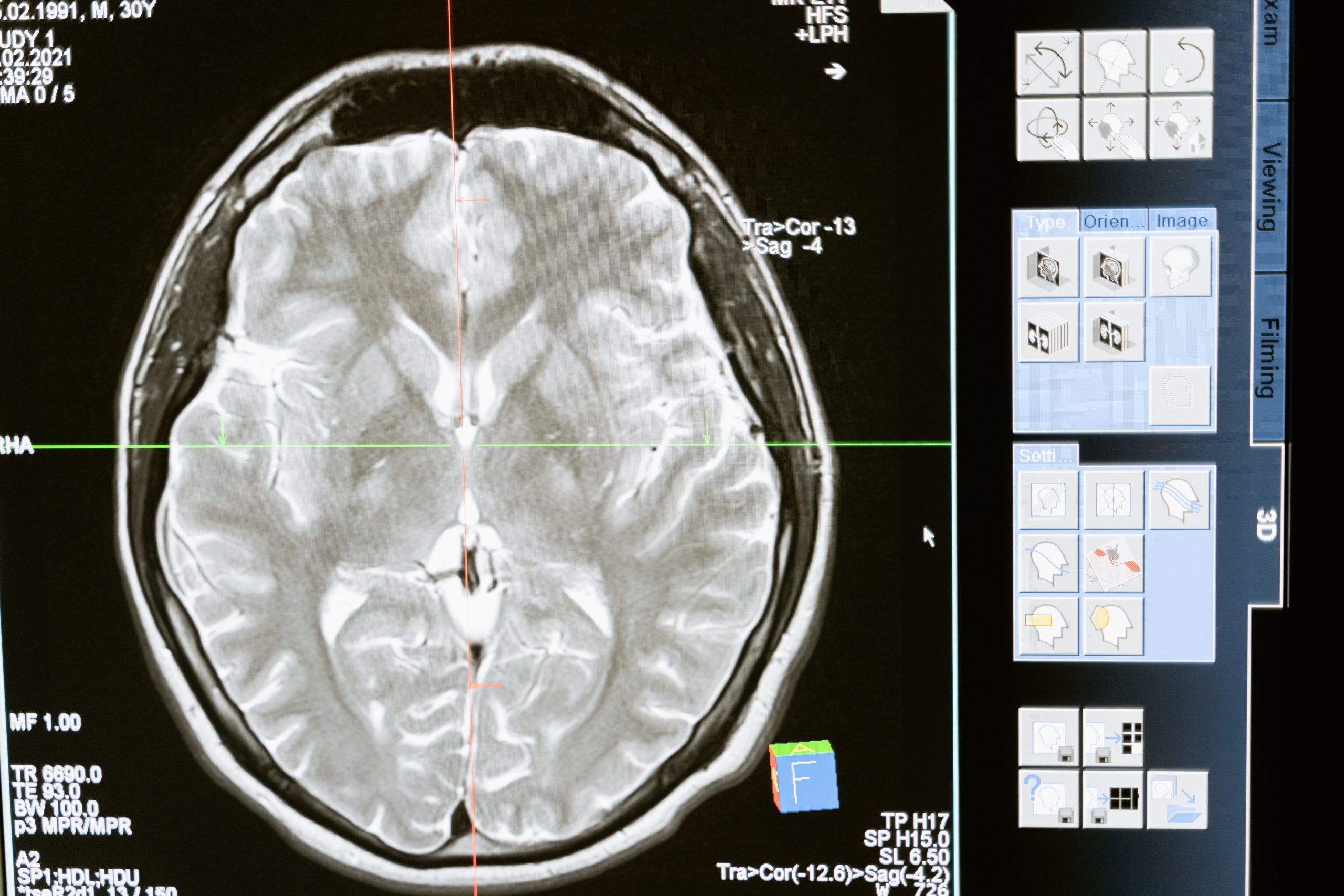
Every year, we identify a number of people who have had a stroke all around the world. Many of these strokes turn out to be deadly.
For many years, the link between obesity and stroke has been the focus of several investigations. Despite the fact that the risk of having a stroke rises with age, many persons who have a stroke each year also have obesity or other obesity-related diseases.
Symptoms of a Stroke
Understanding the various warning signs and symptoms of a stroke is critical to ensure quick medical treatment. Some of the symptoms include:
• Numbness or tingling sensation in any part of the body or face
• Severe, unexplained headaches
• Unexplained weakness or dizziness
• Feelings of numbness or tingling in any region of the body or face
• Severe headaches with no apparent cause
• Weakness or dizziness that isn’t explained
• Difficulty expressing thoughts or speaking common words
• An unexpected drop
• Difficulty comprehending simple questions or words
• Partially or totally losing eyesight
These symptoms all point to a medical emergency. If you see any of these symptoms, go to the hospital right once.
While physicians agree that certain people are more susceptible to strokes, they also believe that keeping a healthy weight and lifestyle can reduce the risk in many situations. Several studies have found that each unit rise in BMI is connected with a slightly higher risk of stroke.
Blood flow to the brain is mainly reliant on the carotid and vertebral arteries in the neck. High blood pressure, along with other contributory factors such as diabetes, sleep apnea, heart enlargement, and metabolic abnormalities, is thought to be the major cause of stroke. Obese persons are more likely to have all of these medical disorders, which can wreak havoc on the circulatory system.
As a result, blood flow to the brain is restricted, leading to increased inflammation and stress on the blood vessel walls. Obese persons have an increased chance of having a stroke, as evidenced by this study.
Many obese people are receiving bariatric surgery to lower their risk of obesity-related ailments in this situation. Weight loss surgery has been shown to cut the risk of strokes and other cardiovascular disorders significantly.
In fact, because it can minimize the risk of obesity-related diseases and strokes, bariatric surgery for diabetes is becoming increasingly popular.
Any bariatric operation has the potential to assist patients in achieving their long-term weight-loss objectives. Patients must, however, ensure that they take the necessary measures following surgery, and undergo the procedure only under the strict guidance of the top obesity surgeons who have years of expertise in conducting a variety of bariatric operations and helping people alter their life.