
What is Anemia?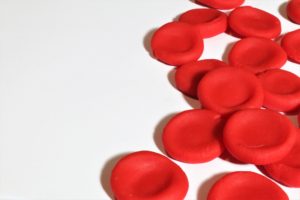
Anemia is reduction in the proportion of the red blood cells. The most common type is Iron Deficiency Anemia (IDA).
More specifically, anemia is a reduction in hemoglobin, or hematocrit or RBC count. It is not a diagnosis, but a presentation of an underlying condition.
Hemoglobin is protein within RBCs that carry oxygen from lungs to the body’s tissues. Anemia is measured according to the amount of hemoglobin in your blood.
Simply put, Red Blood Cells is like a car that carry passengers (Oxygen) to all of the body’s tissues. Having little Red Blood Cells indicates that you have lower amount of oxygen than the body needs.
Types of anemia
There are various types of anemia which includes:
Low RBC size anemia includes iron deficiency anemia.
Norma RBC size anemia includes Sickle cell anemia and aplastic anemia.
Large RBC size anemia includes Vitamin B12 or folate deficiency.
In this article we will be discussing Iron deficiency anemia.
Causes of iron deficiency anemia
Iron deficiency anemia is the most common type of anemia. It can be caused by:
- Malnutrition
- Blood loss especially in older patients
- Low dietary intake
- Increase requirement of iron as in pregnancy
- Decrease absorption of iron as in celiac disease
- Alcoholism
Symptoms of Iron deficiency anemia
Lack of iron can be presented in patients in terms of:
- Fatigue
- Hair loss
- Restless leg syndrome
- Lightheadedness or dizziness
- Trouble concentrating
- Constipation
Lab evaluation of Iron deficiency anemia
To be diagnosed with iron deficiency anemia, the hemoglobin will be:
- Males: lower than 135 g/L.
- Females: lower than 120 g/L
Ferritin is the gold standard test for diagnosing iron deficiency, it reflects total body iron stores.
- For men: lower than 30 µg/L.
- For women: lower than 13 µg/L
But be careful, although ferritin is the most sensitive test to diagnose iron deficiency, ferritin may be artificially elevated in chronic inflammatory diseases or cancer.
Treatment of Iron deficiency anemia
The treatment may involve some or all of the following: dietary advice, oral iron supplements, intravenous iron infusion and less commonly blood transfusion.
Typical adults treatment dose is 100 to 200 mg elemental iron per day.
To maximize absorption of iron supplements:
√ Iron should be taken on an empty stomach with full glass of water or fruit juice, it may be taken 1 hour before or 2 hours after meals.
√ Preferred to be taken in the morning or earlier in the day.
√ Vitamin C enhances absorption of iron.
× Calcium products or food as dairy products decreases it’s absorption.
× Tea and coffee may decrease the absorption
Side effects if iron
iron can cause:
- Nausea
- Vomiting
- Dyspepsia
- Constipation
- Metallic taste
- Dark stool
Summary
Although iron deficiency is one of the oldest and most common medical disorders, the condition still has not received adequate clinical attention and evaluation.
Many children, elderly patients, and pregnant women continue to have undiagnosed iron deficiency anemia or remain under-treated. So if you have any signs & symptoms mentioned above, please contact your healthcare provider.
DISCLAIMER
All content and information on this website is for informational and educational purposes only.
It does not constitute medical, psychological or health advice of any kind and we do not warrant that the information presented herein is free of any errors or omissions.
We are not providing medical, health care, nutrition therapy or coaching services to diagnose, treat, prevent or cure any kind of physical ailment, mental or medical condition.
Although we strive to provide accurate general information, the information presented here is not a substitute for any kind of professional advice, and you should not rely solely on this information.
Always consult a professional in the medical and health area for your particular needs and circumstances prior to making any medical or health related decisions.